When AI Gets Customer Service Wrong, the Reply Still Counts
Customers are more forgiving of AI service failures when the recovery message shows empathy, not just efficiency.

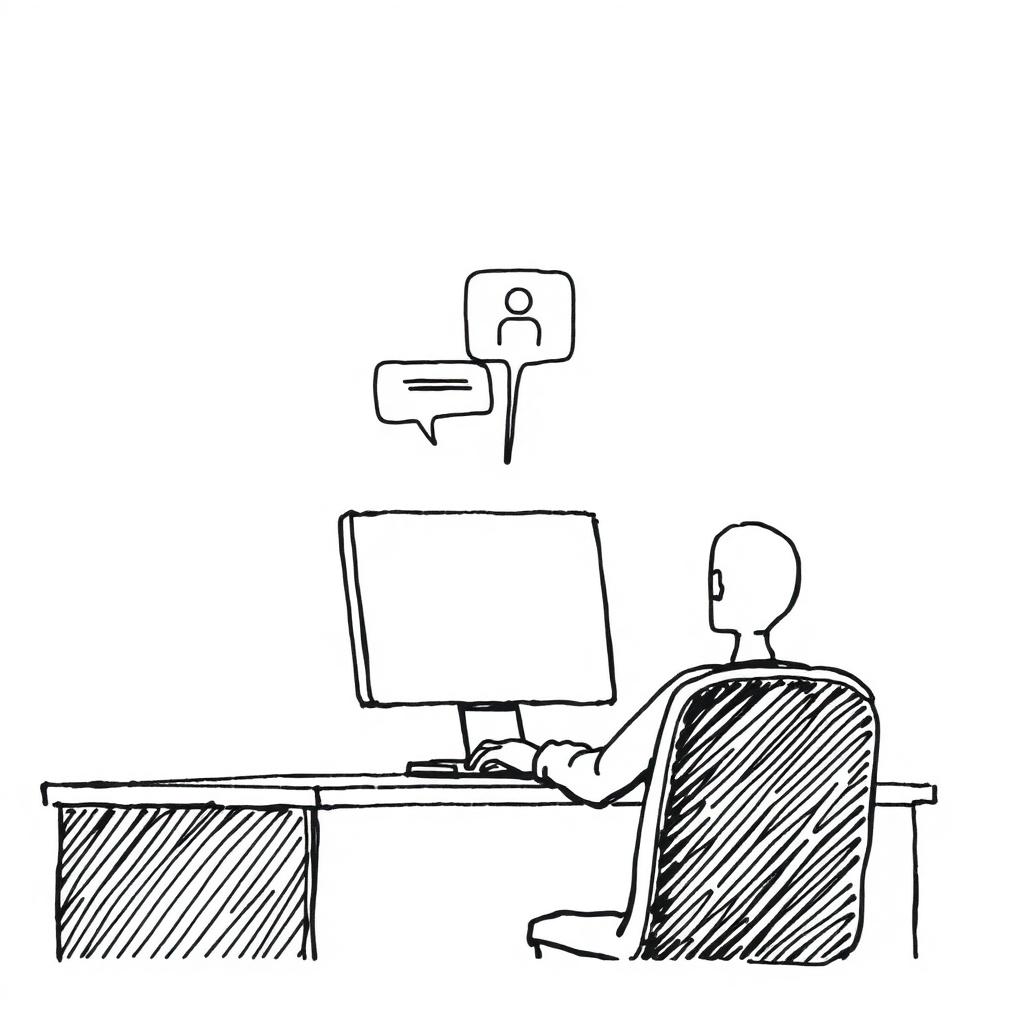
AI is now woven into ordinary service moments, from hotel check-ins and restaurant ordering to airport directions and tourism support, which means customers are becoming used to asking a machine for help in the same casual way they would approach a staff member at a desk. When the system works, the experience can feel smooth enough to disappear into the background, but when it misunderstands a request, misses part of an order or makes the customer wait without explanation, the irritation can build quickly.
That moment after the mistake is where many automated service experiences are won or lost. A guest who asked for several items in their hotel room and only received some of them may not care that the system usually performs well, because their judgement is shaped by what happened when they needed help. The same applies to someone waiting in a restaurant while an automated waiter gives the same plain update again and again, or a traveller in an airport who wants directions and receives a response that fails to answer the question.
A Better Apology Can Keep People from Giving Up
Customers do not need to believe that an AI system has genuine feelings before they respond to the tone of its message. A plain instruction such as “please repeat your request” may be technically useful, but it can also feel detached when the customer is already frustrated, especially in hospitality settings where people expect service to carry some sense of care.
A more thoughtful response works differently because it recognises the inconvenience before trying to move the customer along. Something as simple as an apology that acknowledges the delay, explains that the issue is being fixed and gives the customer a reason to wait can make the interaction feel less blunt. The mistake still happened, but the customer is less likely to feel brushed aside by a system that seems unaware of the disruption it caused.
This does not mean automated service should be written like a person pretending to have emotions. That can feel awkward, particularly when the wording is too dramatic for a minor service issue. The stronger approach is to write recovery messages that sound calm, specific and useful, with enough warmth to show that the customer’s frustration has been noticed.
Trust Is Rebuilt After the Mistake
A lot of businesses judge AI service by how quickly it can answer questions or complete simple tasks, yet the customer’s view of the technology often changes once something goes wrong. At that point, accuracy is still important, but the customer is also deciding whether the system deserves another chance.
Customers are more willing to continue using AI services after a failure when the response carries a higher level of empathy. That pattern appears across hotel, tourist attraction, airport and restaurant settings, which makes it especially relevant for service businesses using automation in places where people are often tired, rushed or already managing expectations.
The reason seems to sit in the relationship between psychological distance and trust. When an AI response feels warmer and more considerate, customers may feel less as though they are dealing with a remote, mechanical system, and that smaller sense of distance can make the service feel more trustworthy. Once trust starts to recover, the customer becomes more open to using the system again, rather than abandoning it for a human staff member at the first sign of trouble.
Voice Can Make Recovery Feel More Natural
Empathic responses are stronger when customers receive them through both text and voice, rather than text alone. In a restaurant, hotel or airport, this makes practical sense because voice can carry pace, tone and immediacy in a way that plain text often cannot.
That does not mean every chatbot or kiosk needs to speak, and it certainly does not mean a business should add a cheerful voice to a poor recovery process. If the message is generic, repetitive or oddly upbeat, voice may only make the failure more annoying. Used carefully, though, a spoken response can help the customer feel that the system is actively engaging with the problem, especially when the wording is direct and the tone matches the situation.
For service teams, the lesson is fairly clear. AI service recovery should be designed before the failure happens, rather than patched together after customers start complaining. The recovery message should acknowledge the problem, give a useful next step and avoid sounding like a legal disclaimer hidden inside a chatbot window. A customer may forgive the mistake, but they are far less likely to forgive being made to feel ignored by the tool that caused it.
Source
Lv, X., Yang, Y., Qin, D., Cao, X., & Xu, H. (2022). Artificial intelligence service recovery: The role of empathic response in hospitality customers’ continuous usage intention. Computers in Human Behavior, 126, 106993.
The Monthly Brief
Join our community to stay on top of industry insights, emerging trends and useful ideas.