Why Small Language Choices Change AI Customer Service
The rhythm of a sentence can make an automated agent feel approachable or merely functional.
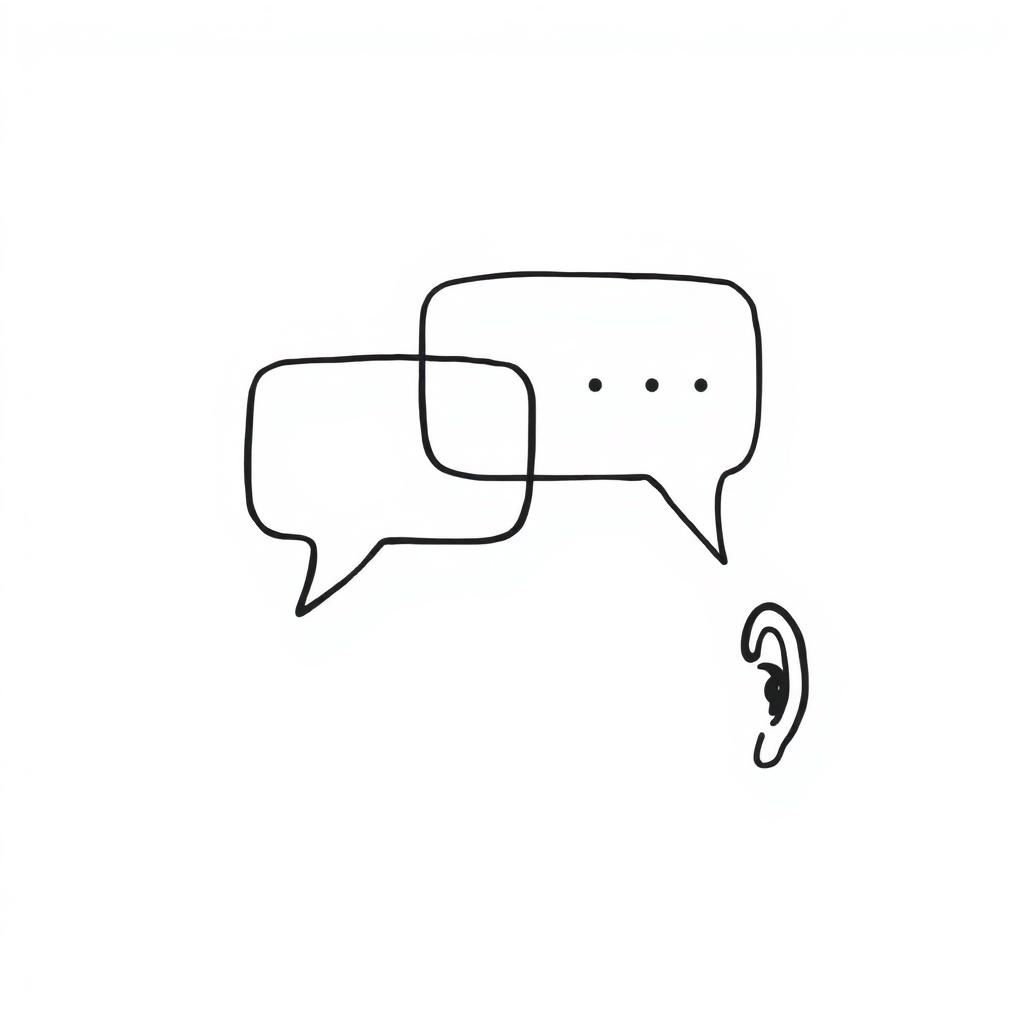
Customer service systems are usually judged by whether they understand a request and resolve it without creating additional work for the customer. Yet automated conversations are also shaped by the texture of the language itself, because a phrase can carry warmth or distance, playfulness or formality before anyone has consciously assessed the information being delivered. Minor linguistic choices may therefore alter whether an automated agent feels approachable or merely functional.
One such choice is reduplication, a form of expression in which sounds or syllables are repeated within a word or phrase. English examples include “chit-chat” and “tick-tock”, although the form is especially prominent in Chinese communication, where repeated syllables can soften a sentence and create a more intimate rhythm. When this style appears in automated customer service, it can influence how people interpret the personality behind the screen.
Language Carries More Than Information
A conventional approach to automated service treats language as a delivery mechanism: the system identifies the customer’s intent and presents a suitable answer clearly enough for the conversation to continue. That view underestimates the social work performed by ordinary speech, which is filled with signals of familiarity and emotional intent even when the subject under discussion is entirely practical.
Repeated two-syllable expressions have a distinctive cadence that can make communication feel lighter and more personable. Their effect appears to be connected with early language patterns, since repeated sounds are associated with infant speech and with the affectionate language adults often use around children. These associations can evoke friendliness and emotional accessibility, allowing an automated agent to seem less mechanical without relying on an elaborate persona.
Customers do not evaluate automated service through accuracy alone. They also form impressions of whether the agent seems considerate or cold, and those impressions influence their willingness to remain in the conversation. Repeated two-syllable language can encourage customers to continue communicating with an automated agent, while also strengthening purchase intentions and creating a more favourable impression of the brand being represented.
Humanisation Can Begin With Rhythm
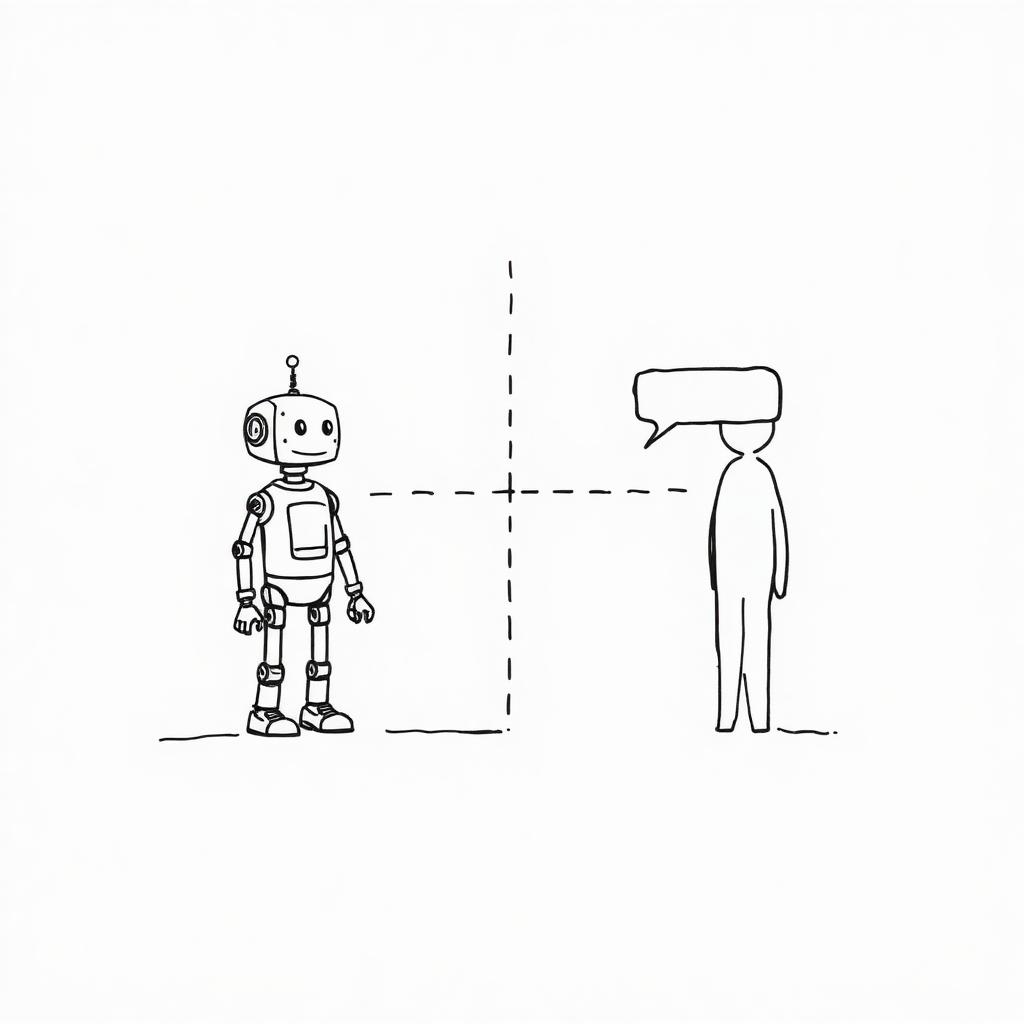
The value of this communication style lies in its ability to influence perceived humanisation. Automated agents can display considerable cognitive ability when retrieving product details or following structured service procedures, although competence by itself does little to create emotional presence. A customer may recognise that the system understands the question while still experiencing the exchange as impersonal.
Rhythmic repetition can reduce that distance by introducing a recognisably human expressive pattern. The agent may then be interpreted as warmer and less machine-like, which can improve the customer’s broader response to the interaction. The wording does not make the system more intelligent or change the underlying product information, but it alters the social meaning surrounding that information.
For service designers, humanisation does not always require an animated face or an aggressively cheerful personality. In text-based service, the construction of a sentence may carry more weight than visible character design, particularly when customers are making rapid judgements from only a few messages. Language design deserves the same level of care as workflow design, since an efficient service journey can still feel abrasive when every response has been stripped of social texture.
Warmth Has Its Limits
There is no universal conversational style that will improve every automated exchange. Repeated language appears to have less influence on highly materialistic consumers, who are more inclined to treat the agent as a functional tool for obtaining a product or completing a task. For these customers, attempts to create emotional closeness may have little effect on how human the system appears or how positively it is evaluated.
The value of the technique also changes according to who is speaking. Repetition can improve perceptions of automated agents, yet it offers less benefit when the same style comes from a human representative. A person is already assumed to possess emotional capacity, whereas an automated agent begins from a more mechanical position, giving small signs of warmth greater persuasive weight.
Cultural context remains equally important. Reduplication has an established expressive role in Chinese communication, where it can convey familiarity and affection without appearing unusual. Whether the same effect would translate into English remains unclear, and equivalent forms would need to be tested for how they are perceived by English-speaking customers. Complaint-based encounters may be particularly unsuitable for an overly playful register, especially when the customer expects clarity and recognition of the seriousness of the problem.
Designing a Voice That Fits the Moment
Brands should consider where a warmer style genuinely suits the customer relationship. Product discovery and informal retail conversations may allow more affectionate language, while post-purchase disputes or urgent support generally require greater restraint. The customer’s objective and the seriousness of the issue should guide the tone, which must also remain consistent with the established brand voice.
Repeated syllables show how little language is ever merely decorative. A small adjustment in rhythm can change whether an automated agent is received as a tool or as a more socially engaging presence, although the same adjustment can fail when the audience or setting does not support it. Effective conversational design depends on recognising that boundary and using warmth carefully enough to make service feel natural without allowing personality to obstruct the customer’s reason for making contact.
Source
Feng, W., Xue, S., & Wang, T. (2025). The influence of repeated two-syllable communication strategy on AI customer service interaction. Journal of Research in Interactive Marketing, 19(5), 803–822. https://doi.org/10.1108/JRIM-04-2024-0186.
The Monthly Brief
Join our community to stay on top of industry insights, emerging trends and useful ideas.