Building an AI Agent That Feels Human
Tone, pacing, and the small choices that separate an assistant customers trust from one they tolerate.
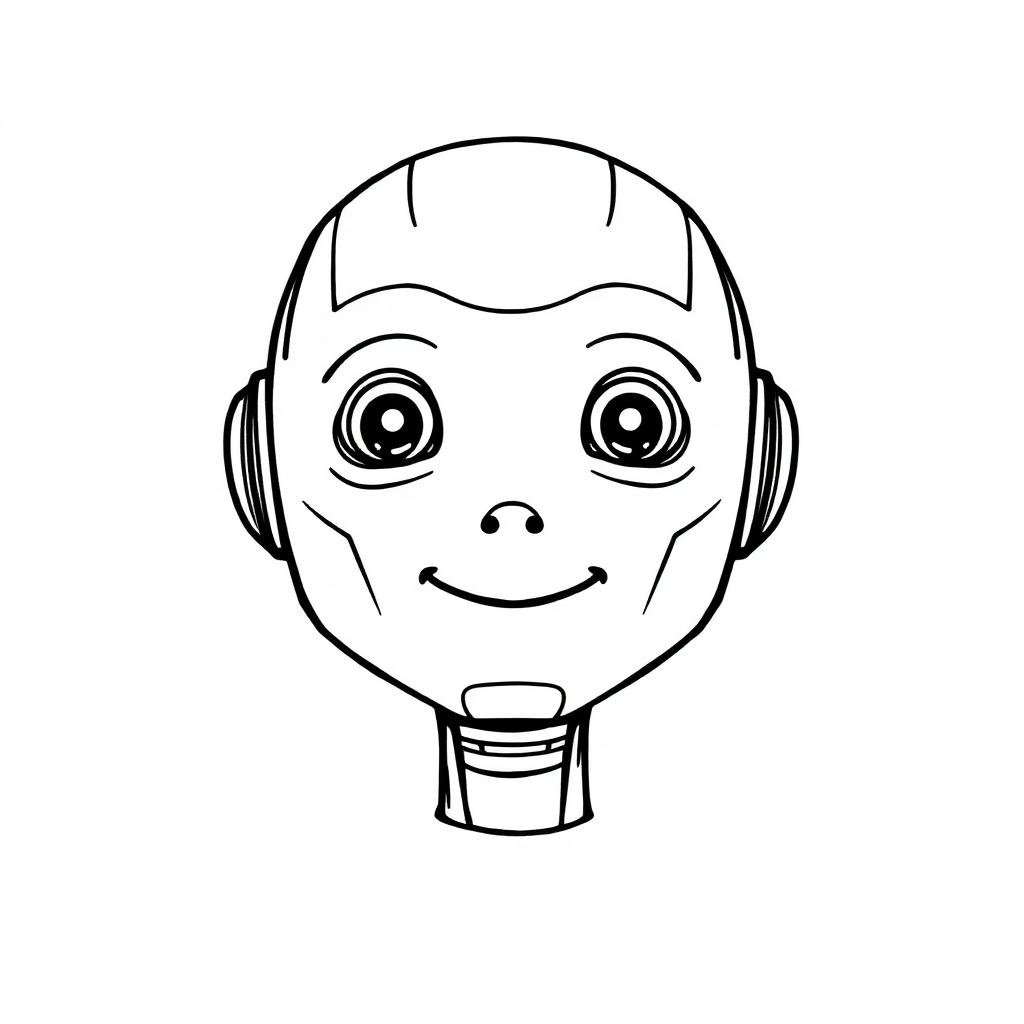
Customers do not want AI to act human. They want it to feel competent, honest, and in control. The brands that get this right have stopped chasing warmth and started building something simpler: the experience of being understood. Warmth is not the point. A good agent does not replace a person. It replaces the waiting, the repetition, and the quiet uncertainty that make ordinary support feel exhausting. The challenge is usefulness. Everything else is tone.
Start with transparency
The feeling of being taken seriously begins when the agent names itself clearly, without flourish or apology, because customers are not asking for a confession; they are asking for a signal that tells them what to expect and how far this conversation can go. Honesty builds trust faster than charm. Agents that say they are AI, plainly and early, score higher than agents that try to pass. The wording matters less than the posture. From there, keep the sentences short. Long passages might impress in a demo, but in a support chat they create distance. People read them twice. They wonder what part matters. One idea per line keeps the conversation moving.
Match the rhythm of attention
Pacing is the next signal that the agent is paying attention. A human agent pauses for a reason: to read, to think, to check something. A bot that replies instantly every time can feel cheap, even when the answer is correct, because speed without effort reads as performance rather than care, and customers who feel rushed often rate the exchange lower, even when the issue itself was resolved. Add a measured pause before a complex response. Or a brief “I am checking that” before a lookup. It mirrors the rhythm of real attention and gives the customer room to breathe. The delay is not inefficiency. It is a design choice that communicates effort.
Say when you do not know
Admitting uncertainty is where most agents fall apart. The safe default is to answer anyway, hoping the model is right, but the better default is to say when it is not sure and offer a clear path forward, such as a handoff, a source link, or a simple next step the customer can trust. Customers forgive a gap. They forgive a gap in knowledge faster than they forgive being misled, which is why a confident wrong answer is more damaging than a quiet admission. Handoffs should be clean. No one should repeat the same problem because a bot is delaying the transfer to a human. The moment the agent knows it cannot resolve something, it should move the customer to someone who can, with the full context already attached.
Remember what was already said
Memory is the quiet part of trust. An agent that remembers what was said two messages ago, that recalls the order number already shared, that does not ask the same qualifying question twice, feels intentional and present in a way that technology alone cannot fake without the right data and context behind it. The technology is simple. The effect is powerful. Forgetting feels like a machine. The bar is not photographic recall; it is simply not making the customer start over every time the conversation moves forward.
Build it like a product
None of this needs the biggest model. It depends on the prompts, the tools, the data quality, and the design decisions made when the product is being built, which means the persona is a product choice, not a literary exercise. The tone should be set, tested, and held consistent across channels. The handoff threshold should be defined by the team and refined by real conversations. Refine it from real conversations. The refusal language should be drafted by someone who understands the brand, not invented by a model at runtime, because the words the agent cannot say matter as much as the words it can. The agent deserves rigour. It deserves the same clear ownership, measurable outcomes, and feedback loop as anything else the company ships. Start small. Measure where trust breaks. Fix the breaks first. The goal is not mimicry. The goal is to make the interaction feel like someone cared enough to build it properly.
The Monthly Brief
Join our community to stay on top of industry insights, emerging trends and useful ideas.